
A Sector Awakening with Purpose
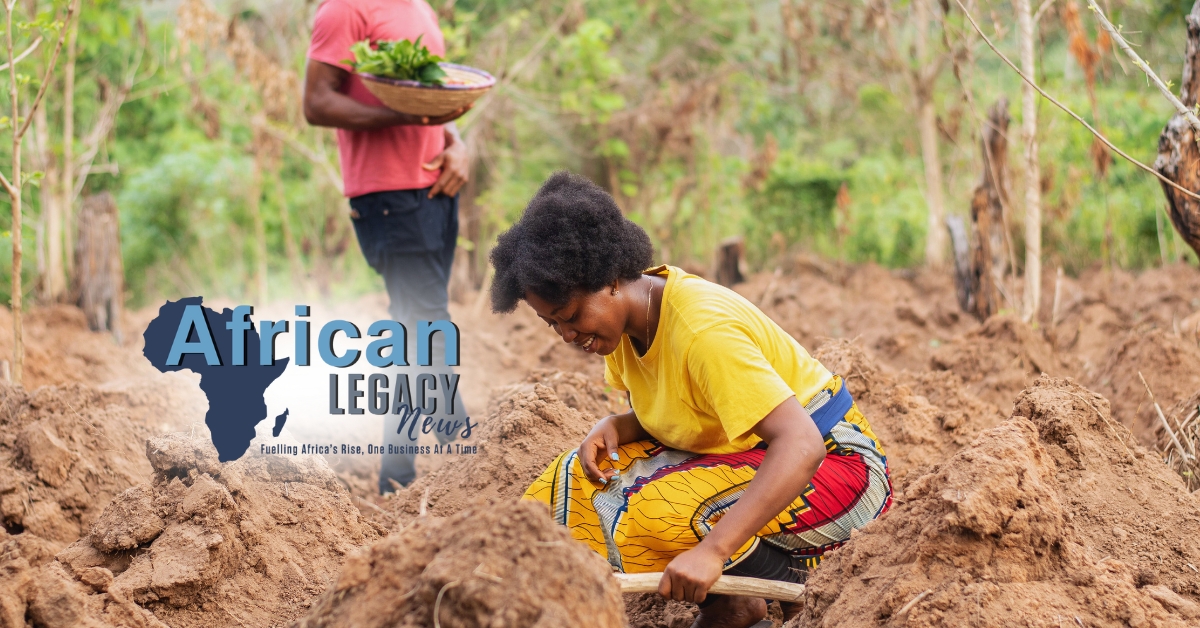
Across West Africa, fields and farms are no longer seen only as spaces of survival. They are becoming the foundations of empowerment, innovation, and shared prosperity. Agriculture, the backbone of African economies, is now being reshaped by a wave of digital transformation and market access initiatives that place farmers and entrepreneurs at the heart of growth. A new era is emerging, one driven by digital innovation, resilient food systems, and fairer market structures.
The ECOWAS Agricultural Trade (EAT) programme, launched in 2025 by the International Trade Centre, is a clear example of this vision in action. By equipping agribusiness advisors in Nigeria and Côte d’Ivoire with digital skills in e-commerce, logistics, payments, and customer engagement, the programme is empowering small and medium enterprises.
It is more than training; it is an invitation to participate in Africa’s wider growth story. These skills are cascading to small and medium enterprises, giving them the ability to compete across West African borders.
Digital Inclusion Meets Market Access
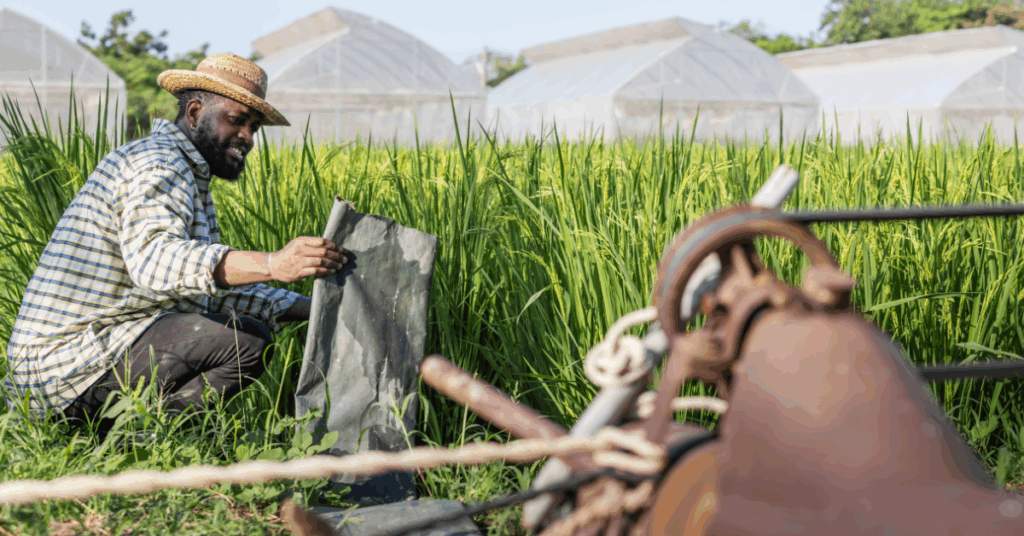
While digital skills are essential, they are just one piece of the puzzle. West Africa is also investing in physical and financial infrastructure that empowers farmers to secure fair value for their produce.
- Côte d’Ivoire has pioneered the region’s first Agricultural Commodities Exchange (BMPA), offering transparent pricing, warehousing, and structured trade in crops such as cashew, maize, and kola nuts. This system enables smallholders to bypass exploitative intermediaries and directly participate in formal markets.
- Meanwhile, the West Africa Food System Resilience Programme (FSRP), supported by ECOWAS and the World Bank, is tackling food security through irrigation upgrades, early-warning systems, and climate-smart land management. Ghana’s $22.5 million investment into reviving the Kpong Irrigation Scheme is already delivering results, ensuring year-round production capacity.
Navigating Climate Risks and Global Pressures
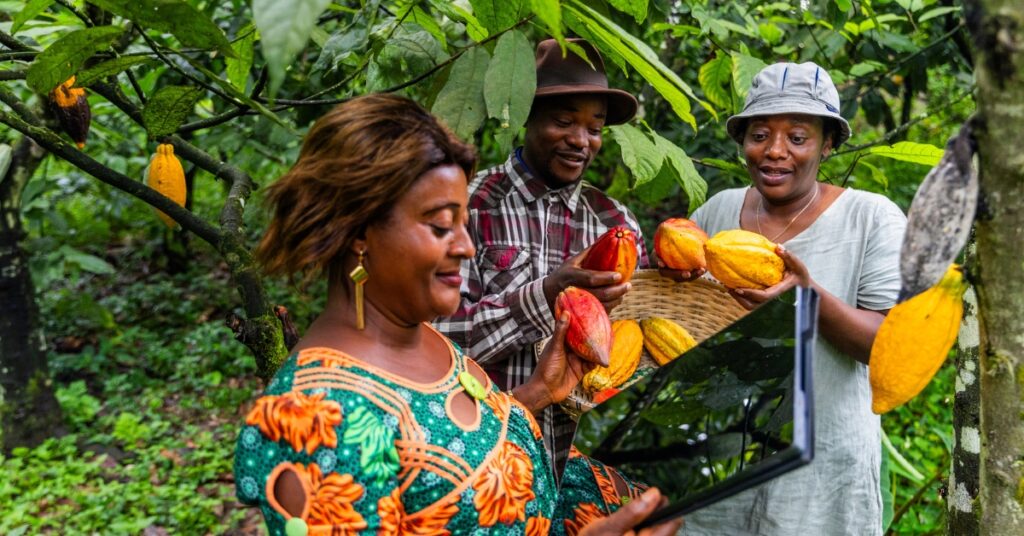
The opportunities are significant, but so too are the risks. West Africa, responsible for two-thirds of global cocoa, faces a projected 10% decline in cocoa output in 2025, driven by ageing trees, disease, and increasingly volatile weather. For millions of farmers, the urgency of climate-smart agriculture has never been clearer.
In Sierra Leone, government-led efforts to achieve rice self-sufficiency through irrigation and large-scale investments signal ambition, but NGOs warn that smallholder farmers must not be left behind. Balancing large-scale agribusiness with equitable smallholder participation will be crucial.
Key Takeaways for Agribusiness Leaders
The lessons emerging from digital innovation, commodity markets, and climate-resilient programmes offer valuable direction not just for policymakers, but for every agribusiness leader shaping Africa’s future. These insights highlight the practical steps needed to ensure that growth translates into empowerment for farmers, sustainability for communities, and competitiveness for the continent on the global stage.
- Digital inclusion requires strong infrastructure. Without storage, logistics, and structured markets, e-commerce training alone cannot deliver full value.
- Regional resilience depends on partnerships. Public-private collaborations like the FSRP provide scalable solutions to food insecurity and climate risks.
- Equity is non-negotiable. Policies must ensure that smallholders remain at the centre of agribusiness growth models.
As West Africa’s agribusiness sector evolves, one truth is clear: transformation must be both strategic and inclusive.
Africa’s Growth, Africa’s Pride
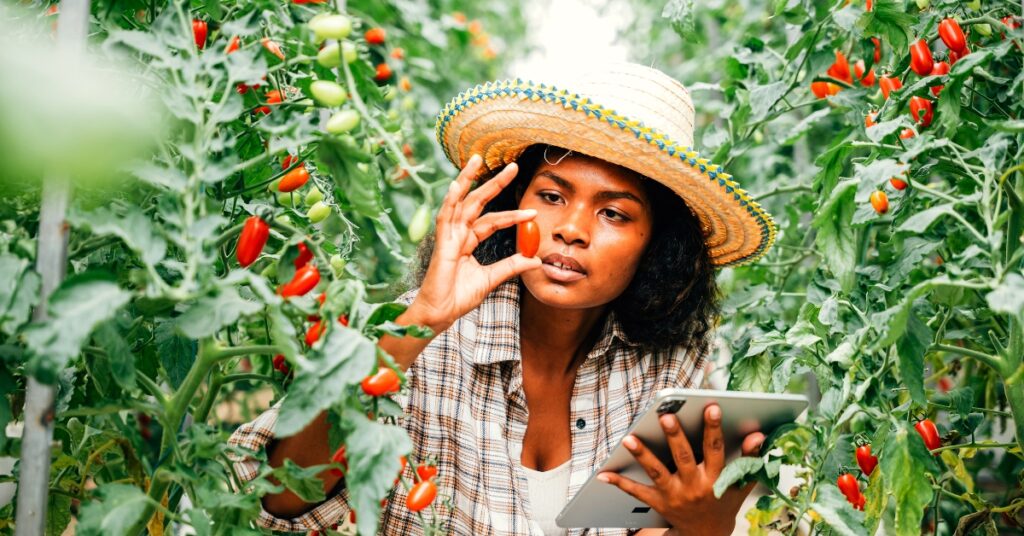
West Africa’s agribusiness sector is not just modernising, it is transforming lives. Digital platforms are connecting farmers to new opportunities, while resilient food systems are ensuring dignity in the face of climate shocks. Most importantly, new market infrastructures are returning power to the people whose hands till the soil.
This is more than an agricultural shift. It is a story of Africa building prosperity from within, ensuring that growth is not a distant promise but a lived reality. It is about empowerment, equity, and the pride of knowing that Africa is feeding itself, its people, and its future. This is the heartbeat of Africa. This is the legacy we are writing together.