
Nigeria’s Gas Production Hits New Heights
Nigeria recorded a landmark in July 2025: gas production surged to 7.59 billion standard cubic feet per day (BSCFD). This marked an 8.6 percent year-on-year increase, strengthening the country’s role as Africa’s gas powerhouse.
Equally striking is the progress in reducing environmental waste. Gas flaring fell to 7.16 percent, the lowest level in three years. For the Niger Delta, where communities have long suffered the effects of burning gas, this is not just data but a breath of cleaner air and a step toward environmental justice.
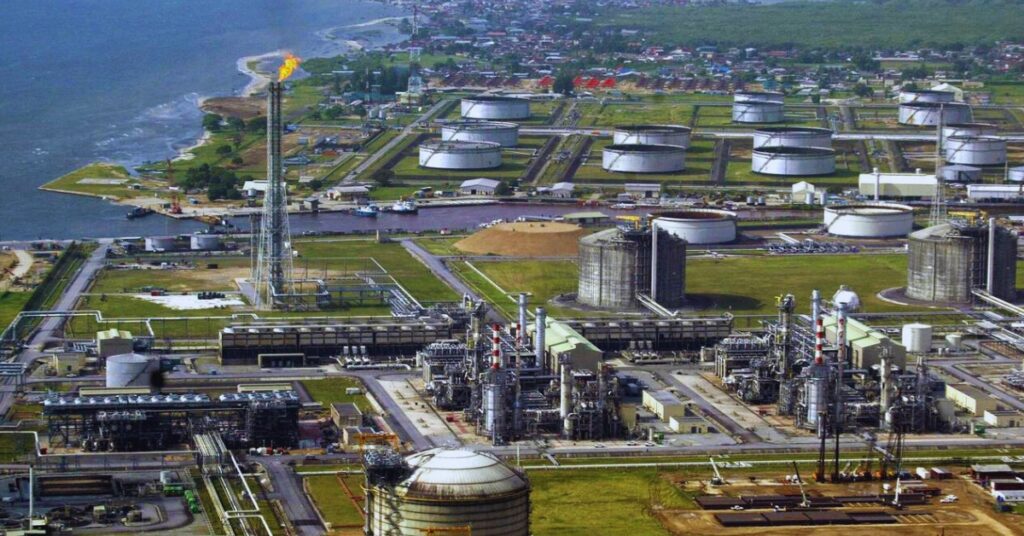
The Energy Shift Beneath the Numbers
The production growth reflects deeper structural changes:
- Independent operators lead the charge. Marginal field producers contributed over 60 percent of output, showing the agility of smaller firms.
- Domestic energy supply is rising. Nearly 30 percent of gas fed the local economy, with power plants receiving 862.86 million scf per day, up 3.5 percent from June.
- Efficiency and sustainability converge. Flaring reduction underscores the success of tighter regulation and commercialisation of previously wasted gas.
Policy Reform Driving Investor Confidence
At the heart of this momentum is the Petroleum Industry Act (PIA) of 2021, a landmark reform offering tax credits and incentives for gas development.
Its impact is already visible:
- New Production Sharing Contracts (PSCs) with TotalEnergies prioritise gas as a stand-alone growth engine, not just an oil by-product.
- The Ajaokuta–Kaduna–Kano (AKK) pipeline, expected to be completed soon, will boost domestic supply, particularly to Nigeria’s central and northern regions.
- Continental ambitions remain strong, with proposed projects like the Nigeria–Morocco Gas Pipeline and the Trans-Saharan Gas Pipeline, designed to connect African gas to European markets.
These projects point to a future where Nigeria is not just Africa’s energy leader but also a global supplier.
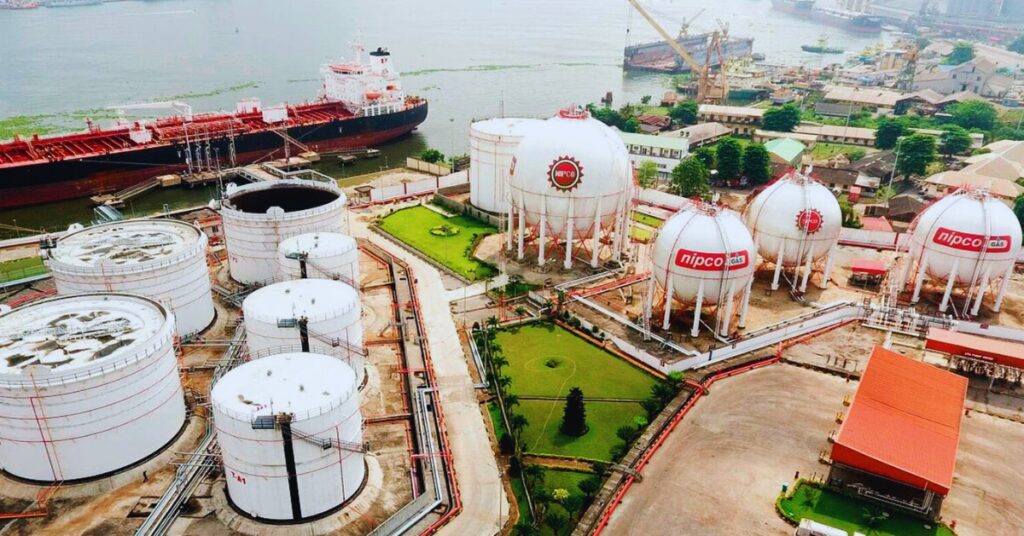
Balancing Growth with Responsibility
Nigeria’s energy journey cannot ignore its environmental legacy. The Niger Delta still bears the scars of decades of oil spills and uncontrolled flaring. Yet, the latest numbers show meaningful progress: a decline in flaring and an expansion of decarbonisation strategies.
Initiatives such as the Gas Flare Commercialisation Programme, carbon capture pilots, and a national decarbonisation blueprint signal a shift towards responsible resource management. For investors, this growing balance between growth and sustainability enhances confidence in Nigeria’s energy future. For citizens, it promises cleaner skies and greater inclusion in energy benefits.
Nigeria’s Rise, Africa’s Signal
Nigeria’s July performance is more than a national win. It reflects Africa’s broader potential to chart an independent energy path. By leveraging abundant gas reserves responsibly, the continent can fuel domestic growth, improve energy access, and lead global conversations on sustainable transitions.
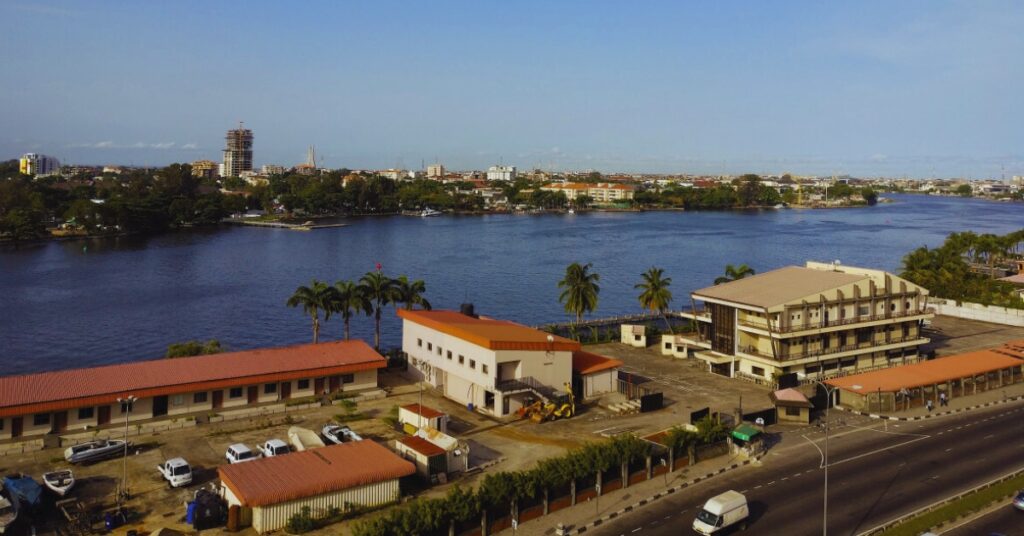
Closing Reflection
As pipelines extend opportunity across borders and flares fade from the night sky, Nigeria is showing what it means for Africa to lead in energy with vision and conscience. This is not merely an energy milestone, it is a symbol of resilience, renewal, and the promise of a greener tomorrow.
Nigeria’s gas renaissance is more than an 8.6 percent rise in production. It is a transformation of narrative: from waste to value, from dependency to innovation, from environmental neglect to responsibility.