

Digital Access Accelerates Economic Potential in the DRC.
The Cash-Dominated Congo at a Crossroads.
For decades, the Democratic Republic of the Congo (DRC) has been a cash-first economy. More than 90 percent of transactions are still conducted in cash, fewer than 25 percent of businesses accept digital payments, and just 5 percent of Congolese hold a bank account.
Yet, with the DRC’s GDP growth now outpacing the Sub-Saharan African average, the urgency to digitise financial systems has never been greater.
Visa’s Strategic Leap, Launching Visa Pay
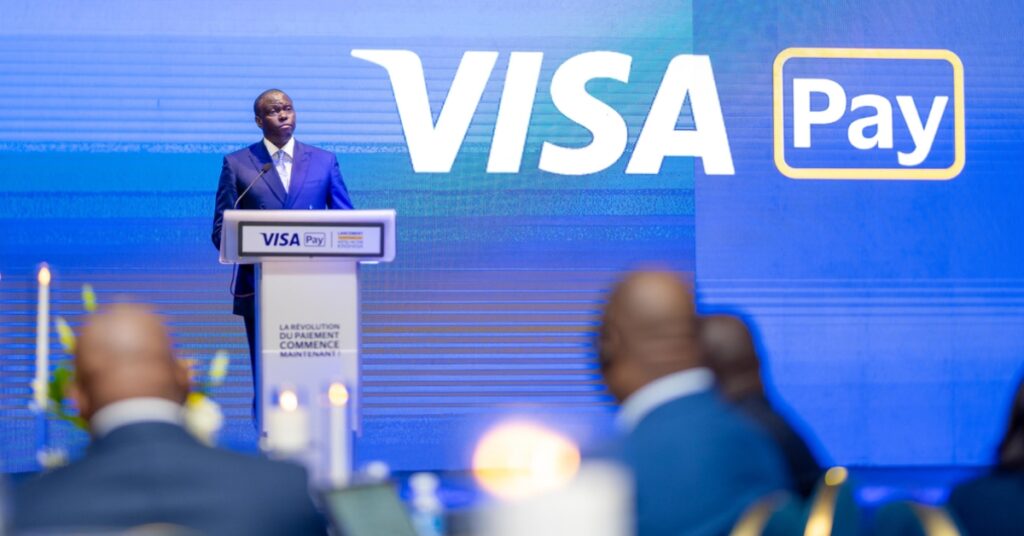
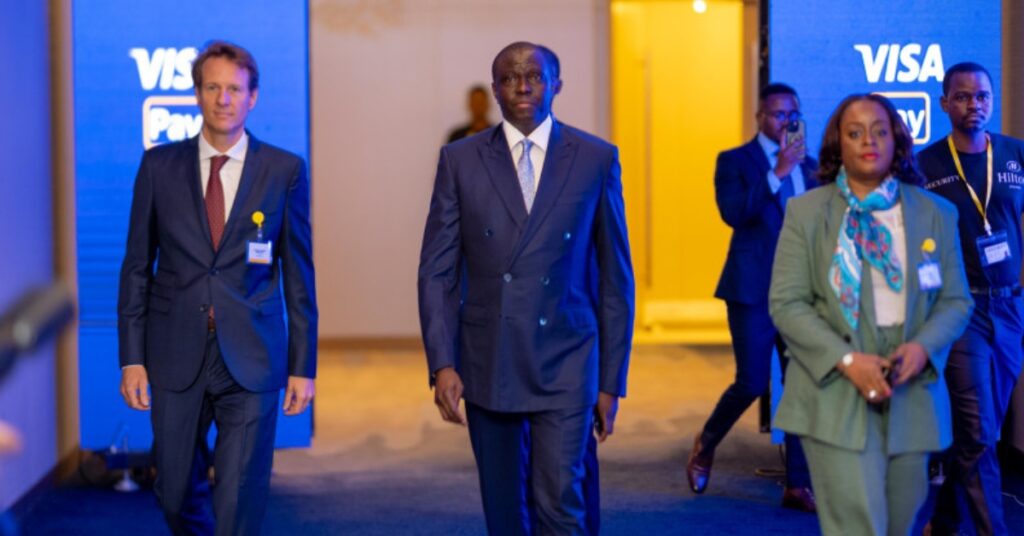
In early September 2025, Visa announced the launch of Visa Pay, a mobile-first, interoperable payment platform designed to bridge the gap between the banked and unbanked. The app enables:
- Instant wallet-to-wallet transfers in Congolese francs (CDF) and U.S. dollars (USD).
- Cash-in and cash-out services at participating bank branches.
- Virtual cards for secure online shopping.
- Seamless integration into existing bank apps or as a standalone download.
Five banks are already connected, Access Banque, FBN, Sofibanque, Solidaire Banque, and UBA, with BGFI Bank, Equity Bank, and TMB expected to follow.
Designed for Inclusion
Visa Pay has been built with accessibility at its core:
- Lightweight and mobile-friendly, requiring minimal storage and data.
- Available to urban and rural communities, from students to pensioners.
- Supported by Visa’s education and security programmes, helping build trust in digital systems.
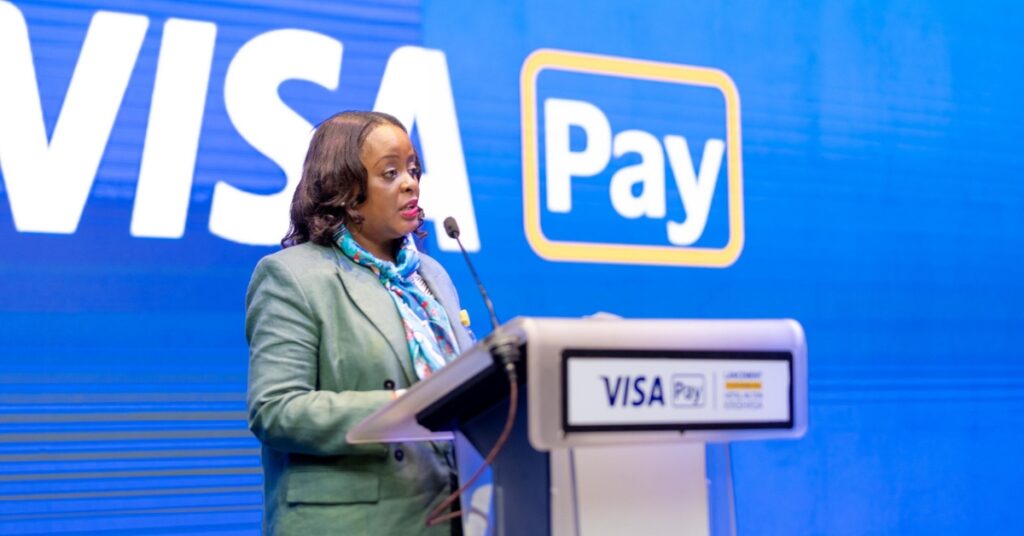
The initiative is championed locally by Sophie Kafuti, General Manager of Visa DRC and a leading advocate for financial inclusion, recognised among Africa’s most influential women in fintech.
Laying the Groundwork
This launch builds on Visa’s long-term investments in the Congolese financial ecosystem:
- Issuing 150,000 Visa-linked M-Pesa cards through Vodacom.
- Establishing a dedicated Visa office in Kinshasa.
- Launching a US$1 million financial literacy programme to prepare citizens for the digital economy.
Why This Matters
The ripple effects of Visa Pay could be transformative:
- Boosting Economic Growth. Studies suggest cashless economies can add up to 3 percent to GDP in emerging markets. For the DRC, with its vast natural resources and a population of nearly 100 million, the growth potential is significant.
- Building Trust in Digital Finance. Fraud and scams remain a challenge, two-thirds of Sub-Saharan Africans report falling victim to digital fraud. Visa Pay incorporates advanced fraud-prevention systems and complements these with financial literacy campaigns.
- Driving SME Empowerment. Small businesses, the backbone of the Congolese economy, will benefit from lower transaction costs, improved transparency, and access to new markets.
Strategic Imperatives for Stakeholders
- Investors and diaspora: A growing digital payments market signals confidence and opportunity.
- Policymakers: Prioritise regulatory support for cybersecurity, interoperability, and financial literacy.
- SMEs and entrepreneurs: Integrate Visa Pay into business operations to unlock access to wider customer bases.

A Bridge to Empowerment
In a nation long defined by cash, Visa Pay represents more than just technology, it symbolises possibility. Every QR scan, every mobile transfer, and every digital receipt is a step toward economic dignity and inclusion.
When a farmer in Goma pays school fees from her phone, when a young entrepreneur in Kinshasa sells online without fear of fraud, when a family can save securely in their local currency, these are not small steps. They are powerful strides toward rewriting Congo’s economic story.
Visa Pay may be a global brand’s product, but in the DRC, it is fast becoming a local instrument of empowerment, turning exclusion into participation, and participation into prosperity.