

In a landmark move for South Africa’s logistics sector, the government has opened the country’s freight rail network to private operators for the first time. The reform aims to tackle years of inefficiency, congestion, and infrastructure bottlenecks that have weighed heavily on the movement of goods across the nation. Already, eleven companies including Grindrod, have entered negotiations to operate on 41 key commodity routes, representing a turning point in South Africa’s strategy to revitalise its transport backbone and unlock fresh economic growth.

A Step Toward Efficiency and Competitiveness
South Africa’s freight rail system has long been dominated by Transnet, the state-owned enterprise responsible for rail, ports, and pipelines. However, persistent challenges such as underinvestment, infrastructure backlogs, and service disruptions have limited the sector’s ability to meet the demands of one of Africa’s most industrialised economies.
By opening the network to private firms, government leaders are betting on increased efficiency, greater competitiveness, and expanded capacity for moving bulk commodities such as coal, manganese, chrome, and agricultural produce.
For businesses, the reform offers a lifeline: shorter delays, improved reliability, and new routes that could lower the cost of doing business while supporting South Africa’s export ambitions.
Eleven Firms, Forty-One Routes
The initial phase sees private operators negotiating access to 41 routes that are central to South Africa’s economy. These include corridors that connect inland mining hubs to ports, as well as agricultural supply chains critical for regional food security.
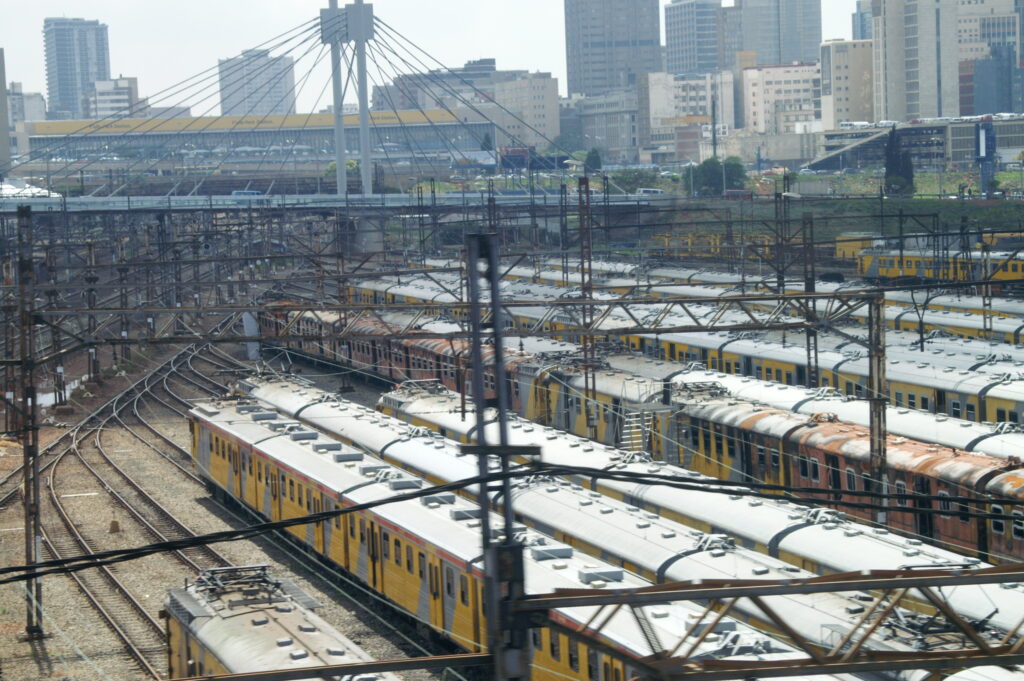
Companies like Grindrod bring both operational expertise and investment potential, positioning them to play a crucial role in modernising the network.
The opening of freight rail is also expected to ease pressure on South Africa’s roads, where heavy truck congestion has contributed to safety risks, higher maintenance costs, and environmental concerns. Shifting more goods back onto rail aligns with the country’s sustainability commitments.
Job Creation and Regional Impact
The reform has strong potential to stimulate job creation in logistics, infrastructure maintenance, and supply chain management. It also carries knock-on benefits for regional trade.
As Africa pushes toward greater integration under the African Continental Free Trade Area (AfCFTA), efficient transport corridors are essential. A stronger, more competitive freight rail system in South Africa could accelerate cross-border trade and bolster the country’s role as a logistics hub for Southern Africa.
A Foundation for Future Growth
For investors, the policy shift signals a renewed commitment to reform and economic resilience. Opening up freight rail to private players not only addresses immediate logistical challenges but also builds confidence in South Africa’s willingness to modernise critical infrastructure.
As negotiations progress, the success of this model will d0epend on transparent agreements, effective regulation, and sustained investment in rail infrastructure. If managed well, it could set a precedent for other sectors where public-private partnerships may unlock untapped potential.

The Bigger Picture
South Africa’s decision to open freight rail to private operators is more than an economic adjustment, it is a statement of intent. It represents a move toward inclusivity, efficiency, and regional competitiveness, while offering businesses and communities new opportunities.
For a country eager to overcome structural hurdles and reignite growth, this reform underscores a vital truth: unlocking Africa’s future lies in building infrastructure that is resilient, accessible, and designed to empower its people and industries alike.