
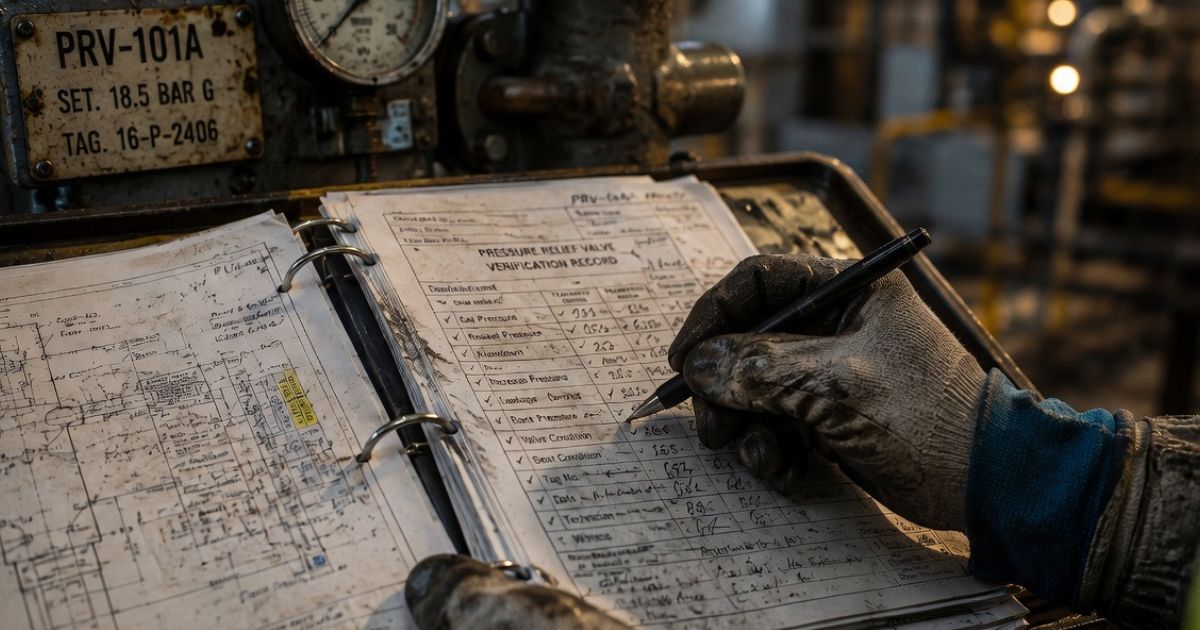
Where investment is flowing and what it now demands in return
It has become common to say that capital is hesitating in African industry, that investment is slowing, and expansion is being delayed. This is an incomplete reading of what is happening. Capital has not left. What has changed is its tolerance for operational ambiguity.
Recent investment data supports the nuance: aggregate foreign direct investment into Africa rebounded sharply in 2024, but inflows remain concentrated and shaped by selectivity, scale, and execution confidence rather than broad-based risk appetite. Investment is flowing, but it is increasingly conditional about what must be true operationally for returns to hold.
In constrained environments, opportunity is not enough. Investors buy certainty: evidence that a system will perform once installed, and that output variability will not overwhelm project economics. The investable asset is no longer the project plan; it is the project’s ability to keep producing.
This is why uptime has become a financial variable, not just an operational one. The easiest way to see this is to follow the chain from outage to valuation. Downtime reduces throughput and revenue while often increasing unit costs: labour inefficiency, expedited logistics, scrapped inputs, and penalty clauses. That volatility then feeds directly into the stability of cash flows, which is the foundation of credit comfort and investment underwriting.
Capital, clearly explained
In project finance and infrastructure-style underwriting, lenders structure deals around downside resilience, using “cushions” such as DSCR so that the project can absorb cash-flow deterioration without default. Critically, where the risk profile rises, lenders typically require higher cushions. If operational instability makes cash flows less reliable, capital becomes more expensive and often more restrictive because the deal is being asked to carry more uncertainty.
That is not a theory. Ratings methodologies explicitly tie operations performance, including O&M management quality and the likelihood of operating breakdowns, to expected cash-flow outcomes. Investors and lenders do not need a plant to be “badly run” to price this risk; they only need the system dependencies to be thin enough that failure becomes frequent, long, or expensive to recover from.
Operational risk is increasingly systemic, not internal
A project can be technically sound and commercially attractive. It can still underperform when dependent systems cannot maintain reliability, ports delay critical inputs, rail networks limit throughput, or maintenance ecosystems are too thin to respond quickly to failures.
A second repricing driver is global trade uncertainty
Disruptions in major shipping corridors have done more than raise costs; they have reduced predictability. A “high-cost but predictable” supply chain can be budgeted for. A volatile chain breaks procurement discipline, maintenance planning, and inventory assumptions.
UNCTAD’s maritime reporting describes a global environment of fragile supply chains, rerouting, and freight rate volatility becoming a persistent feature rather than a temporary shock. The operational translation is specific: transit times stretch, spares arrive later than planned, and maintenance strategies designed around stable lead times begin to fail under real conditions.
Pressure becomes visible in the margins long before failure interrupts production.
This is where operational risk becomes a cost-of-capital issue. If spare parts are delayed, the mean time to repair increases. If repair cycles lengthen, availability drops. If availability drops with enough frequency, the project’s cash-flow profile resembles a stress case more often than the base case, so capital begins to price the stress as normal.
African case snapshots
Where performance meets capital
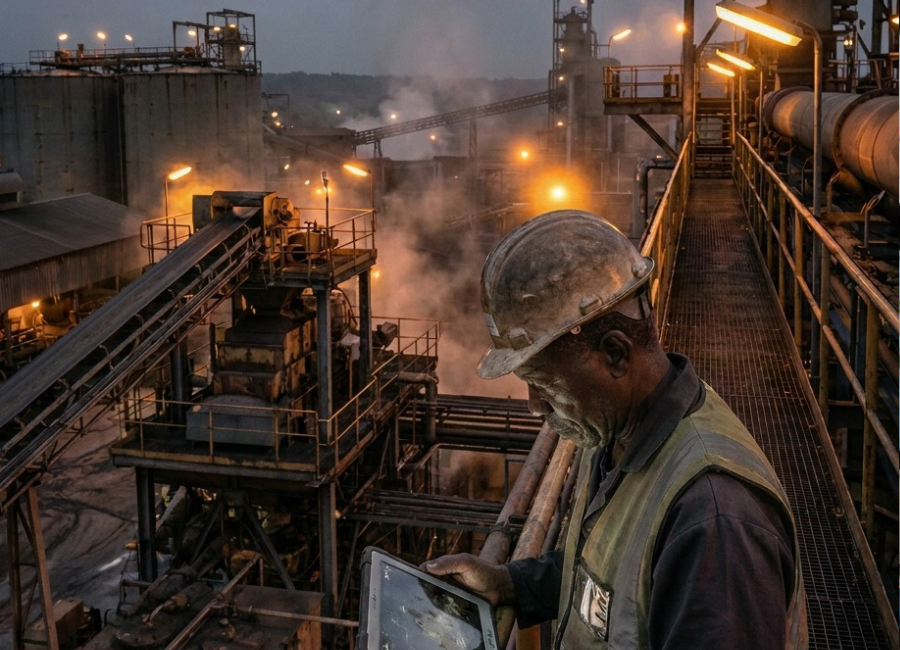
Across African industry, capital repricing is already visible in operational realities:
Mining: Southern Africa
Downtime linked to delayed spares and external dependencies has impacted output stability, pushing operators toward localised maintenance capability.
Logistics: West Africa
Port congestion and clearance delays are increasing working capital requirements, reshaping how investors assess liquidity risk.
Energy: East Africa
Lenders are placing greater emphasis on uptime guarantees and maintenance strategies, particularly where imported components extend recovery timelines.
Manufacturing: Pan-African
Reliance on imported machinery and inputs is introducing performance variability, elevating the importance of local servicing and resilience.
A third driver is compliance moving into operations
Environmental reporting and carbon accounting now shape the core cost structure for exporters and firms participating in global value chains. Critically, border regimes are turning emissions data into a trade-enabling requirement rather than a reputational accessory.
The EU’s Carbon Border Adjustment Mechanism (CBAM) has, from 1 January 2026, entered its definitive regime. The Commission states that importers or indirect customs representatives must apply for authorised declarant status, declare embedded emissions, and surrender certificates annually. The Commission also describes CBAM as integrated with national customs systems and border processes as part of its operational deployment.
For industrial operators exporting into regulated markets, this reframes compliance as an operational capability: the ability to produce verifiable emissions data, reconcile supplier inputs, and clear border requirements without disruption. Where that capability is weak, trade becomes less reliable, and unreliable trade becomes another operational risk channel that capital has to price.
What capital rewards are available in this environment
Not ambition, but repeatable delivery.
Investors increasingly want evidence that performance is protected by design: O&M capability, redundancy where it matters, and a credible support ecosystem that limits recovery time when failures occur. Ratings frameworks explicitly treat O&M management strength, including the skill and experience of the O&M provider, and the presence of performance guarantees, as a factor that can improve confidence in operating performance.
Due diligence check
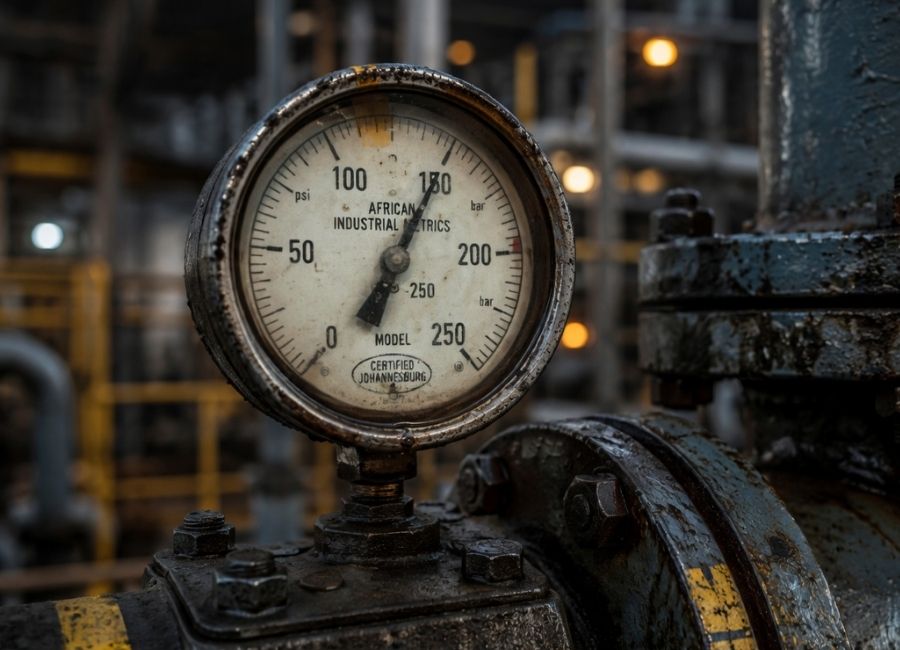
Investment committees are already moving beyond the business case.
The questions increasingly sound like operational governance:
- Can this system keep producing under constraint, or will volatility consume the margin?
- What spares strategy exists, and is it designed around today’s lead-time reality rather than yesterday’s?
- How is commissioning risk managed, and what contingency exists for stabilisation delays?
- How quickly can critical equipment be repaired, and is refurbishment capability close enough to meet a downtime window?
- How will carbon and environmental compliance be measured, verified, and funded as an operating process, not a reporting scramble?
- What contractual and governance protections exist if performance deviates from plan?
These are not “extra” questions. They are the new proof of bankability in environments where logistics friction, external volatility, and compliance enforcement can turn an attractive model into an unstable asset.
Capital will still flow to growth markets. The difference is that it is increasingly conditional about which systems can convert growth potential into sustained output.
Closing
Capital will continue to flow to African industry. But performance proven under constraint is what unlocks its full value, because in today’s investment landscape, resilience is not a slogan. It is the operating system investors are willing to underwrite.
____________________
Follow African Legacy News on LinkedIn for more insight into Africa’s business, industrial, and leadership landscape.