

For more than 100 years, Shell South Africa (Shell SA) has played a pivotal role beyond supplying energy, contributing to infrastructure development, enhancing mobility, and supporting national progress. From major highways to remote service stations, its iconic red and yellow emblem has long symbolised dependability. As Shell announces its planned departure from downstream operations in South Africa, it marks the close of a defining chapter, leaving behind a legacy woven into the country’s economic growth and industrial evolution.
A Rich Legacy of Partnership and Progress
Shell’s roots in South Africa reach back to the early 1900s, and its footprint spans every major node in the country’s energy supply chain. With over 500 service stations, Shell SA became one of the country’s leading fuel retailers, reaching millions of consumers and powering everything from public transport fleets to agricultural machinery.

But its contributions went far beyond fuel:
- Innovation in Energy Products: Shell introduced world-class fuels like Shell V-Power and advanced lubricants like Shell Helix and Rimula, raising the bar for product quality and performance in the South African market.
- Infrastructure Development: Investments in refining, logistics, and fuel storage infrastructure ensured continuity of supply across regions, supporting commerce, transport, and critical services.
- Empowerment through Equity: In 2002, Shell partnered with Thebe Investment Corporation, one of the oldest black-owned investment companies in the country, signaling a meaningful commitment to transformation and shared growth.
- Social Investment: Shell’s enterprise development, STEM education funding, and youth employment programs have touched the lives of thousands across the country.
The Decision to Exit. A Strategic Realignment, Not a Withdrawal
In May 2024, Shell made headlines when it announced its decision to divest its shareholding in Shell Downstream South Africa (SDSA). This includes its exit from fuel retailing and the long-idled Durban refinerye. The announcement was met with concern. After all, Shell’s departure from such a visible part of its South African operations seemed to signal disengagement.
Shell’s exit from the downstream market leaves behind not just infrastructure but opportunity. The company’s assets, including service stations, supply terminals, and logistics networks, are already attracting interest from global energy players such as Adnoc, Aramco, and Glencore. Local companies, too, may seize the chance to enter or expand in a competitive market.
Industry analysts estimate Shell’s downstream assets could be worth upwards of $800 million, a reflection of the scale and potential of what’s now on the table.
What Shell Leaves Behind: A Framework for Excellence
Despite the uncertainty, Shell leaves a playbook that future operators, be they global giants or local entrepreneurs, can learn from:
- Customer-Centric Innovation: From contactless payment systems to the Shell V+ Rewards programme, Shell prioritised the modern, mobile consumer.
- Operational Excellence: Its supply chain efficiency, site maintenance standards, and safety protocols were best-in-class.
- Community Engagement: Shell’s corporate social responsibility was structured and long-term in vision.
South Africa’s downstream energy market now has a benchmark to surpass, not just maintain.
A Legacy of Leadership, A Future of Possibility
Shell South Africa’s decision to exit the downstream business is not the end of an era, it’s the beginning of a shift. Its legacy of innovation, integrity, and impact continues to shape the industry even in its partial absence. As South Africa enters a new chapter of its energy journey, fueled by climate imperatives, demographic growth, and technological change, the lessons, systems, and values Shell leaves behind will be crucial.
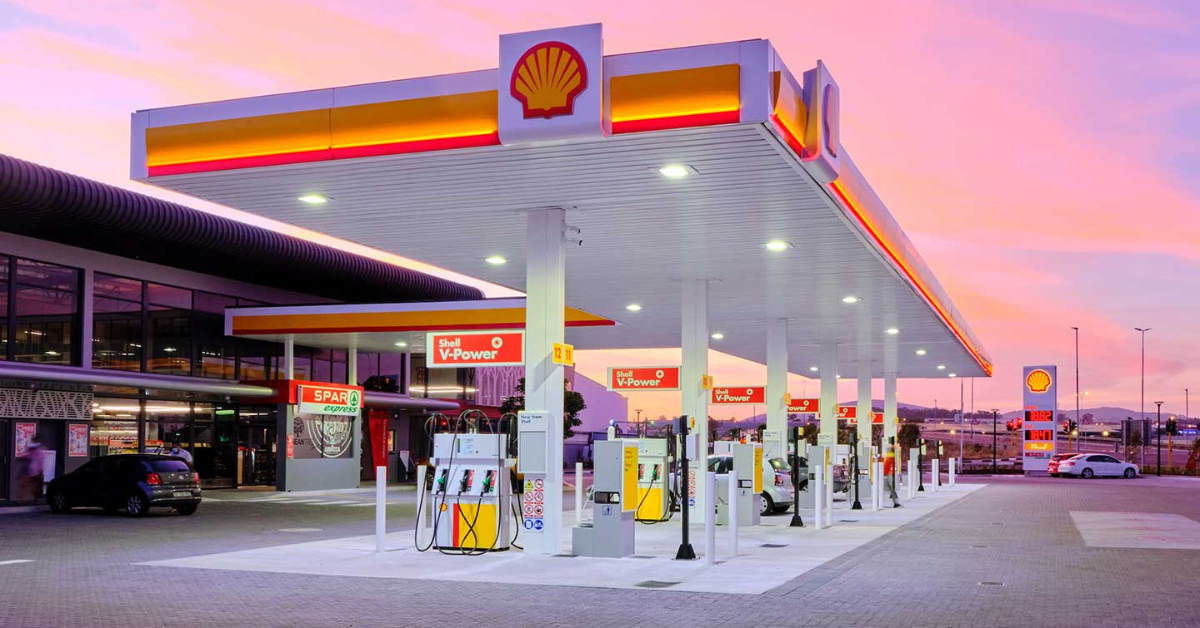
And though Shell’s visible footprint may recede, its influence, like the energy it provided, will continue to flow.
“During the divestment process, we will work to preserve Shell Downstream South Africa’s operating capabilities, maintain the Shell brand presence, and secure the best possible outcome for our people and customers in South Africa under new ownership” says Shell SA spokesperson Pam Ntaka.
For More Info On Shell South Africa:
generalpublicenquiries-ZA@shell.com
https://www.shell.co.za/