

Zambia’s healthcare sector is set for a transformative leap forward with the launch of a major solar electrification programme that will deliver clean, reliable power to hundreds of rural health facilities. The initiative, introduced by the Ministry of Health in partnership with Gavi, the Vaccine Alliance, UNICEF, and the World Health Organisation (WHO), is designed to strengthen health systems, protect critical medicine supplies, and expand access to essential healthcare services.
A Nationwide Drive to Strengthen Healthcare Delivery
At a ceremony attended by national health leaders, district officials, community representatives, and international partners, Zambia’s Minister of Health, Dr. Elijah Muchima, alongside Gavi CEO Dr. Sania Nishtar and UNICEF Country Representative Dr. Nejmudin Kedir Bilal, officially launched two landmark programmes.
Together, the Health Facility Solar Electrification (HFSE) project and the Direct Delivery of Routine Immunisation Vaccines and Essential Supplies for Equity (DRIVE) initiative are poised to transform primary healthcare delivery across the country.
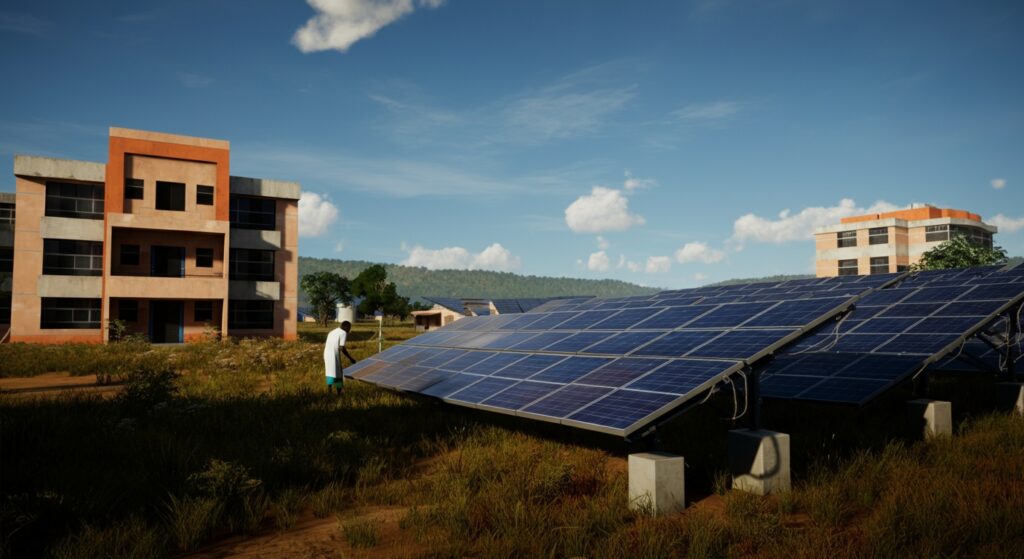
“These efforts mark a new chapter for healthcare in Zambia,” said Dr. Muchima. “By equipping our health centres with sustainable energy and ensuring that vaccines and medicines reach even the most remote children, we are building healthier communities and a stronger, more resilient health system.”
DRIVE: Delivering Health Where It Matters Most
While HFSE secures power, the DRIVE initiative addresses another long-standing challenge: the distribution of vaccines and essential health supplies.
Designed as a social enterprise model, DRIVE mobilises community volunteers and youth groups to transport vaccines directly to clinics and outreach sites. Drivers work up to 10 days a month for vaccine delivery, while the rest of the time they can use their transport vehicles for other income-generating activities.
The initiative is being rolled out across 41 districts and will support the creation of 200 new jobs, while improving the efficiency and reliability of Zambia’s immunisation system.
“By combining solar energy with innovative vaccine delivery systems, we are ensuring that no child or community is left behind,” said Dr. Bilal. “These programmes strengthen our health services, create opportunities for local communities, and help us adapt to the challenges of climate change.”
Long-Term Vision for Sustainable Health
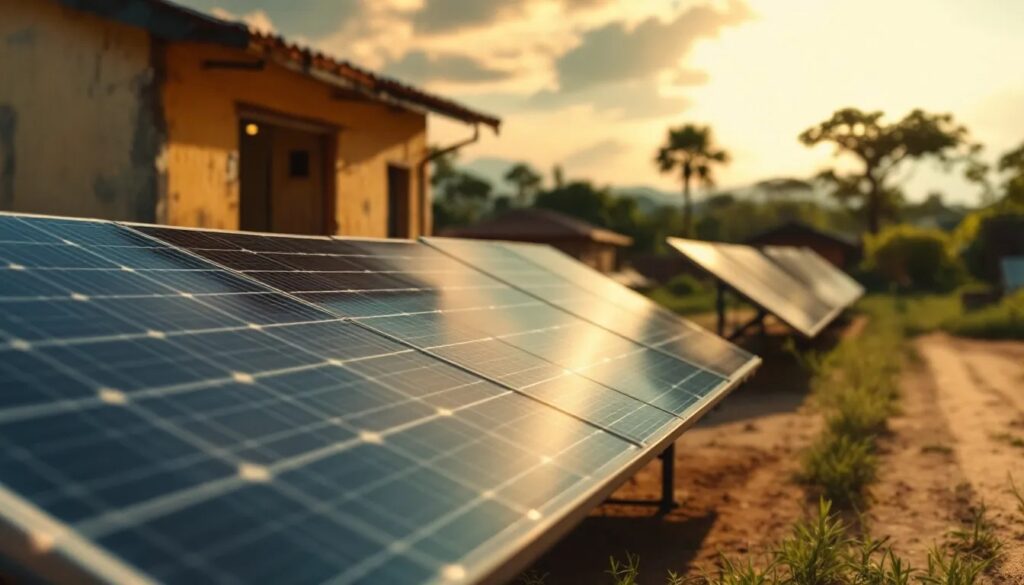
UNICEF has noted that while solar-powered fridges have already been deployed through the Cold Chain Equipment Optimisation Platform (CCEOP), this new initiative goes further, powering entire facilities with renewable energy. If proven successful, the model could unlock additional investment and long-term government commitment to maintaining these systems.
By June 2026, when the project is expected to be completed, more than 25 million people across the four participating countries will benefit from increased access to immunisation, reliable healthcare, and improved public health resilience. For Zambia, the dual rollout of HFSE and DRIVE also supports the country’s commitment to the Sustainable Development Goals (SDGs) and the global Immunisation Agenda 2030.
Building a Healthier Future
Zambia’s immunisation coverage has steadily improved in recent years, with over 90% of children now receiving essential DTP3 vaccines. However, inequities remain, particularly in remote districts where access and supply chains are fragile. By electrifying rural health centres and creating a more reliable distribution network for vaccines, these new initiatives directly address those gaps.
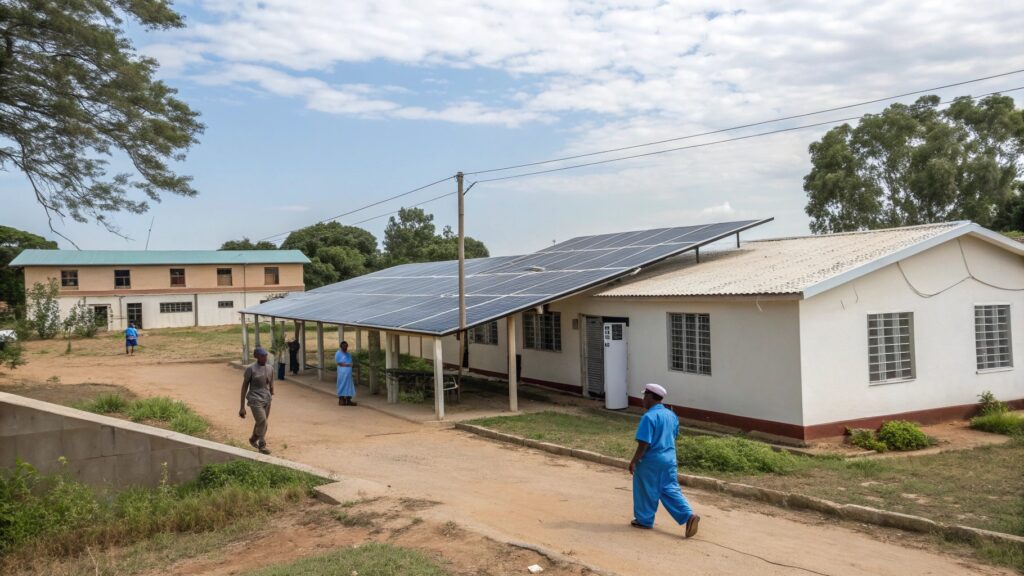
With healthcare delivery powered by renewable energy and strengthened by community-driven distribution models, Zambia is showcasing an innovative approach that ties together health equity, sustainability, and economic opportunity.