

Africa is stepping into a defining moment.
Under South Africa’s 2025 G20 Presidency, the introduction of the Africa Cooperation Agenda on Trade and Investment signalled a decisive commitment to accelerate African economic integration, support the African Continental Free Trade Area (AfCFTA), and boost intra-African trade across the continent’s most dynamic markets, Nigeria, South Africa, Egypt, and Kenya.
With 1.3 billion people and a combined GDP of $3.4 trillion, AfCFTA is the largest free-trade project since the formation of the WTO. Yet Africa still trades far too little with itself: intra-African trade accounts for only ~16% of Africa’s total trade, compared to 70% in the EU. The G20’s support for Africa’s trade and investment reforms could help change that trajectory.
As Wamkele Mene, Secretary-General of the AfCFTA Secretariat, noted in a 2022 briefing:
“AfCFTA sends a strong message that Africa is open for business and ready to move up global value chains.”


A G20-Backed Push for Africa’s Trade and Investment Growth
The 2025 G20 agenda strengthened support for investments aligned with Agenda 2063, Africa trade and investment priorities, and infrastructure critical to unlocking regional markets.
According to the World Bank, full AfCFTA implementation could boost Africa’s income by $450 billion by 2035 and lift 30 million people out of extreme poverty. This is not abstract economics, it’s the concrete foundation for the next era of African economic growth.
We’re already seeing early, symbolic wins:
- Nigeria-to-Egypt exports under AfCFTA’s pilot phase showed how cross-continental supply chains can work in practice.
- South Africa-to-Kenya shipments demonstrated how manufacturing hubs can reach new African markets.
These are small steps, but they reflect what the G20 called a “historic opportunity to scale intra-African trade.”
Infrastructure, Africa’s Make-or-Break Challenge
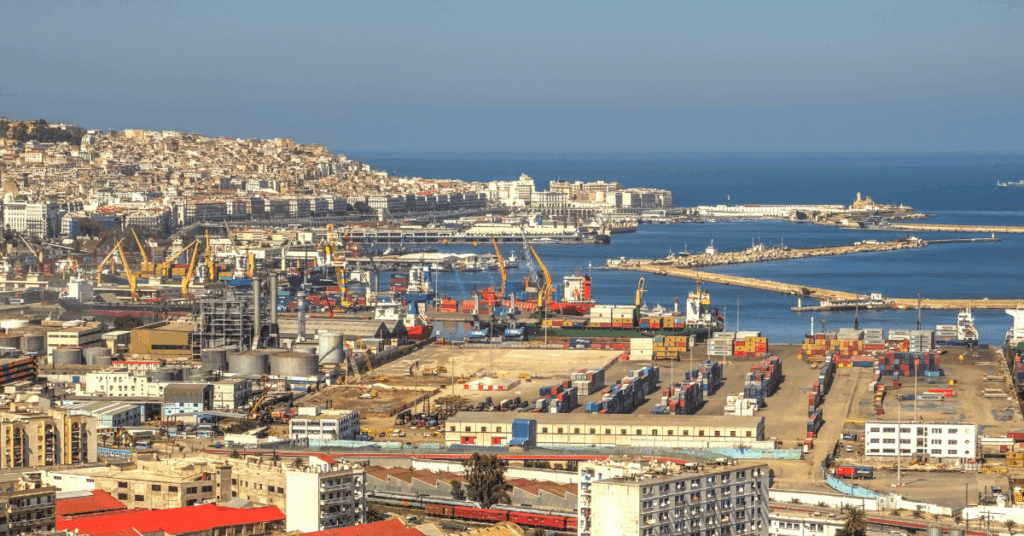
The African Development Bank estimates Africa needs $68–108 billion annually to close its infrastructure gap, and without addressing this gap, neither AfCFTA nor the Africa Cooperation Agenda can meet their full potential.
As Luisa Cetina, Director at ALN Kenya, noted in November 2024:
“Enhanced infrastructure and connectivity are not optional. They are the catalyst for competitive, thriving intra-African trade.”
This spans:
- modern ports
- cross-border transport corridors
- harmonised standards and customs procedures
- digital public infrastructure
Countries like Kenya and Rwanda have already digitised parts of their customs systems, dramatically cutting delays and costs, a real-world example of how technology can speed up digital trade in Africa.

African Markets Leading the Continental Shift
The four countries with the highest combined digital reach, Nigeria, South Africa, Egypt, and Kenya, are positioned to drive Africa’s next chapter:
Nigeria: A consumer base of 220+ million, a thriving digital economy, and fast-growing logistics and manufacturing sectors.
South Africa: Africa’s most advanced logistics network and responsible for nearly 20% of intra-African trade today.
Egypt: A continental gateway and Africa’s FDI leader, drawing $46 billion in foreign direct investment in 2024.
Kenya: A digital-first economy shaping Africa’s e-commerce and fintech transformation.
Together, these markets anchor AfCFTA’s early progress, and they are at the center of G20 discussions on Africa’s trade, investment, and industrialisation.

The G20’s Quiet But Powerful Shift
The most overlooked story of the 2025 G20 Summit was simply this:
Africa wasn’t a guest at the table. Africa set the table.
As Alvin Botes, South Africa’s Deputy Minister of International Relations and Cooperation, said during the Johannesburg sessions (Nov 2025):
“The G20 Africa Cooperation Agenda is designed to mobilize global support for AfCFTA and unlock investment for the infrastructure Africa needs.”
This isn’t charity. It’s partnership.
It’s also a moment of realignment, positioning Africa not as a passive recipient of global decisions but as a co-architect of global economic reforms.


Africa’s Future Is Continental
The message from the G20 and the Africa Cooperation Agenda is clear:
A more united Africa will be a more prosperous Africa.
But the outcome depends on execution:
- tariff reductions
- infrastructure upgrades
- regulatory harmonisation
- smart investment
- technology adoption
- strong political will
If these align, Africa will not only grow, it will redefine global markets.