


A New Chapter in Mpumalanga’s Industrial Story
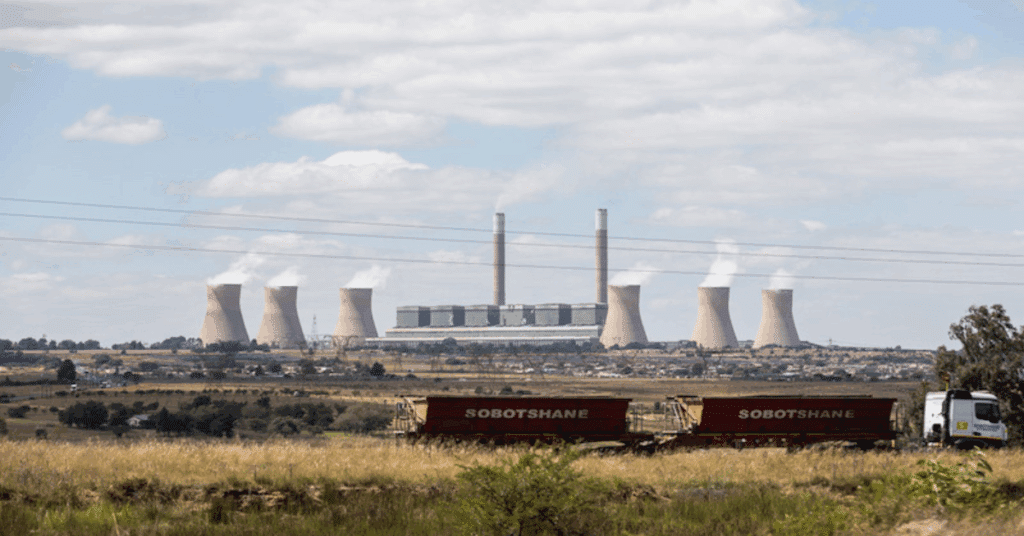
In the heart of Mpumalanga, South Africa’s historic coal belt, a quiet revolution is gathering force. For more than a century, this region powered the nation, its mines feeding the furnaces of industry and the turbines of Eskom. Today, those same plains are being redefined by wind towers instead of smoke stacks.
Seriti Green, a subsidiary of Seriti Resources, one of the country’s largest coal producers is leading this transformation. The company is investing roughly R35 billion (US$2.3 billion) in renewable-energy projects that will bring over 900 MW of wind power to the grid. The first 155 MW phase is already under construction, with more than 1 200 workers employed and a full project workforce expected to reach nearly 2 000 people.
From Coal to Clean Power
Mpumalanga’s coal mines once supplied up to 73 percent of South Africa’s electricity. But the winds of change both economic and environmental are pushing the nation toward diversification. The government’s Just Energy Transition Investment Plan, valued at more than R2.23 trillion (US$127 billion), is designed to phase down coal while scaling up renewables, gas, and nuclear energy.
In this evolving energy landscape, Seriti Green represents a powerful symbol of continuity through transformation, proof that Africa’s industrial legacy can adapt and thrive in a decarbonising world.
“Our goal isn’t to abandon mining communities, it’s to evolve them,” said Peter Venn, CEO of Seriti Green. “We’re turning existing skills and infrastructure into engines of clean-energy growth.”

Why Mpumalanga Matters
1. A Just Transition in Practice
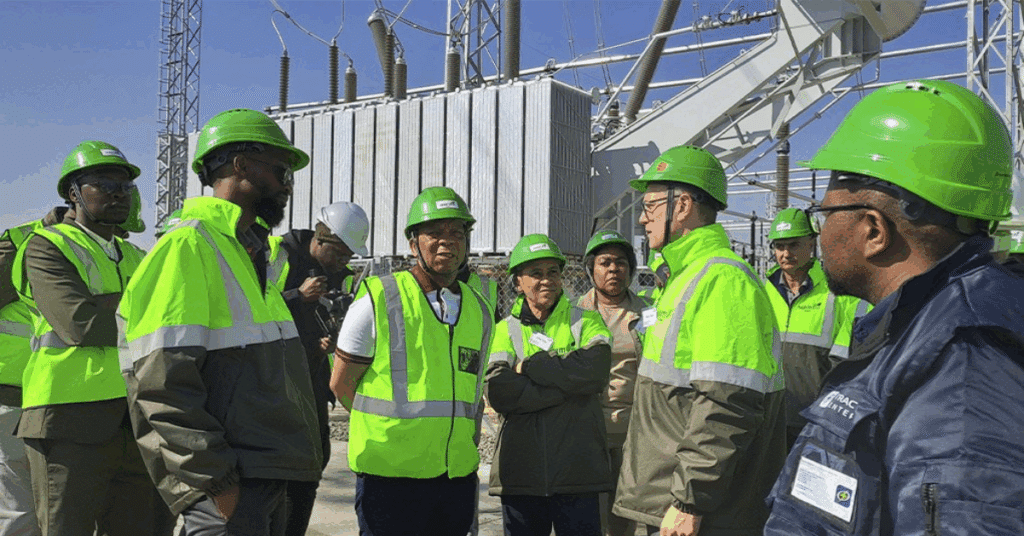
This project demonstrates that the energy transition doesn’t have to leave workers behind. Many of Seriti Green’s technicians, project managers, and logistics staff come directly from the coal sector. By retraining and redeploying these professionals, the company is preserving livelihoods while redefining skillsets for a greener economy.
2. Industrialisation Beyond Mining
The initiative extends beyond power generation. Plans are underway to manufacture concrete turbine towers and other components within the province laying the foundation for a regional manufacturing ecosystem linked to renewable-energy growth. This is industrialisation in action: creating value chains, not just megawatts.
3. Private Investment Leading the Way
Seriti’s R35 billion investment includes wind, solar PV (150 MW) and an 800 MWh battery-storage facility, all located in traditional coal territory. This model of private-sector-led transition is key to scaling Africa’s clean-energy ambitions.
The Bigger Picture: Opportunity and Challenge
Economic opportunity:
-
Renewable energy creates diversified local economies where mining once dominated.
-
Communities gain from job creation, local procurement, and skills transfer.
Challenges ahead:
-
Grid capacity: South Africa’s transmission network must be upgraded to accommodate renewable inflows.
-
Policy consistency: Long-term investor confidence depends on regulatory stability.
-
Community inclusion: The success of any “just transition” hinges on equitable benefits reaching local populations.
Still, the direction is clear. Mpumalanga is becoming the testing ground for what a balanced, people-centred energy transition in Africa could look like.

A Blueprint for Africa’s Industrial Future
The story unfolding in Mpumalanga isn’t just about South Africa, it’s about Africa’s industrial future. Across the continent, mining-dependent economies face similar questions:
- How can legacy industries be transformed without sacrificing jobs?
- How can private capital be mobilised for sustainable growth?
Seriti Green’s progress offers early answers. It shows that with vision, investment, and local partnership, the same regions that once powered Africa’s past can power its future.
As the wind turbines rise above Mpumalanga’s former coalfields, they symbolise more than an energy shift, they represent a mindset shift. The region’s future will be built not on extraction, but on innovation, resilience, and reinvention.
For Africa, the message is simple: the path to sustainability and growth does not erase our industrial heritage, it transforms it.