

It starts with a choice, not just what we buy, but what we believe in.
A woman in Nairobi wraps handmade soaps in banana fibre paper. A young entrepreneur in Lagos presses a “confirm shipment” button on her e-commerce dashboard. A family in Gaborone unwraps a gift box of local teas, beadwork and chocolate. These moments don’t make global headlines, but they are the building blocks of something far more powerful: a continent choosing itself.

To shop African is to act on belief. Belief in African quality. Belief in African capacity. Belief in African value chains, from rural workshops to world-class logistics. And perhaps most importantly, belief that Africa is not waiting to be “discovered”, it is investing in itself.
Across Africa, a new generation of entrepreneurs is reshaping commerce by anchoring it in culture, community, and creativity. Their ventures are not side hustles; they are bold economic interventions. The African consumer is no longer a passive recipient of foreign trends but an active participant in defining continental taste, standard, and economic flow.
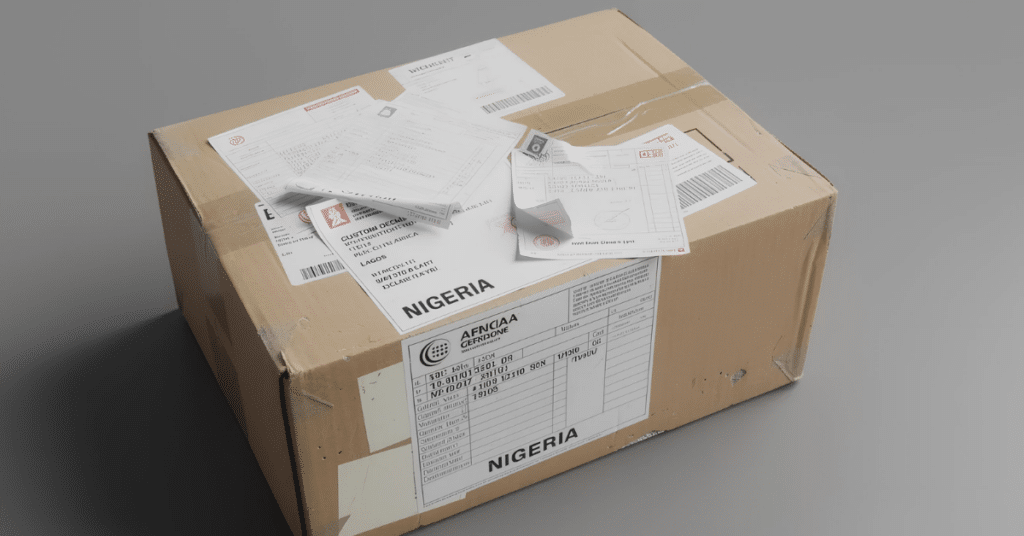

The Festive Economy: Why Shopping African Matters Now
The festive season is more than just a time for celebration, it’s a moment of massive economic movement. Retail sales across Africa spike during November and December, with millions of dollars circulating through food, fashion, gifts and hospitality.
Now imagine if even half of that spend stayed on the continent, powering SMEs, artisans, and local producers. To shop African this festive season is not only to spread joy, but to drive jobs. It’s to wrap a gift knowing that your money is creating value within your community, not exiting through an import terminal. Whether you’re a consumer purchasing consciously or a business investing in meaningful corporate gifts, African-made products offer the rare blend of beauty, authenticity, and impact.

Why “Shop African” Is More Than a Hashtag
The idea isn’t new, but the movement is maturing. From Casablanca to Kigali, African creators and producers are building brands that challenge imported dominance and redefine what it means to consume consciously.
This is no longer about “supporting local” as sentiment. It’s about accelerating growth, job creation and industrialisation, one purchase at a time. It is about shifting mentalities from dependency to dignity, and from reaction to reinvention.
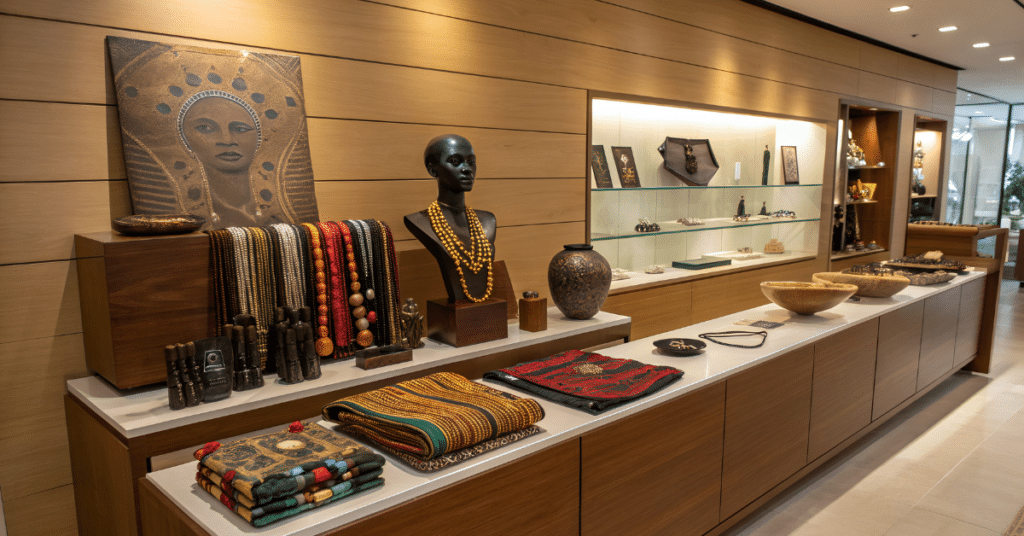

Here’s why it matters:
- It builds manufacturing muscle. Africa’s $2.7 trillion consumer market is growing, but too often, our wallets export value. Shopping African stimulates local production, strengthens supply chains, and reduces reliance on imports.
- It boosts job creation. From packaging to logistics, textiles to tech, African-made products employ more people per dollar than foreign imports. Local enterprises are labour-intensive, offering employment opportunities especially to youth and women.
- It supports SMEs. Small and medium enterprises are Africa’s biggest employers. According to the African Development Bank, SMEs represent over 90% of businesses and account for about 60% of employment in most African countries.
- It supports AfCFTA. Inter-African trade is still just 15% of total continental trade. Buying African-made goods, from another region or your own, puts AfCFTA to work. Supporting intra-Africa commerce reduces trade deficits and enables regional economic integration.
- It celebrates identity. African craft, fashion, design and wellness products are not derivatives. They are definitive. Shopping African affirms cultural pride and design excellence. It reinforces the continent’s sovereignty not just politically, but economically and culturally.
- It grows African digital infrastructure. Every online order, mobile wallet payment and customer support call builds trust in local e-commerce platforms, a space projected to reach over 500 million users by 2025, according to Statista.
- It cultivates self-belief. Perhaps most critically, buying African brands shifts the narrative of value from elsewhere to here. It signals to consumers and producers alike that world-class is not a foreign import but a local output.
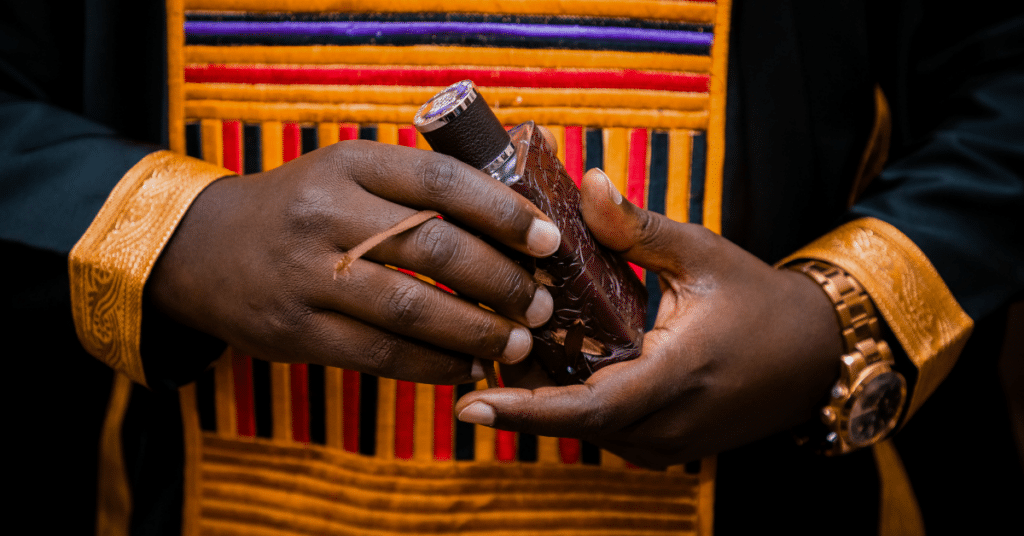

The Future Will Reward African-First Strategies
Investors and policymakers, take note: Africa’s growth story isn’t waiting for foreign validation. It’s unfolding in community markets, digital storefronts, and last-mile delivery vans. CEOs across the continent are realising that African-first strategies are not feel-good PR, they are competitive advantage.
Consider this:
- 60% of Africa’s GDP is driven by household consumption.
- By 2030, over 50% of global labour force entrants will be African.
- The continent’s youth population is projected to hit 830 million by 2050.
- These are not risks. These are returns waiting to be claimed, by those who build for and buy from the African consumer.
Investing in African-made goods and services not only captures emerging demand but supports resilience against external shocks. During global supply chain crises, African brands proved more agile and accessible to local consumers. That resilience is a business case.
To ignore the African consumer is to forfeit relevance. As prosperity slowly rises and middle-class spending increases, brands built for Africans by Africans will be better positioned to claim loyalty, trust, and longevity.
African-first strategies are about more than procurement choices. They are about long-term positioning.

Curated: 15 African Brands to Buy Into This Season
This festive season, your gift list can be an investment list. Whether you’re a retail shopper, corporate gifter, or procurement lead, these African brands stand out for their craftsmanship, credibility and ease of purchase.
Beyond their beauty and utility, these products are vessels of economic participation. Each one is part of a larger ecosystem: of raw materials sourced from African soil, of artisans trained locally, of digital platforms built for African realities.
These are not handouts. These are hand-built legacies.


.1. Africology (South Africa)
Africology is a luxury, eco‐conscious skincare and spa brand grounded in South Africa, blending potent African botanicals and pure essential oils into high-performance products. Its unisex range (creams, serums, oils) emphasises sustainability and holistic wellness, all formulations are cruelty-free and ethically sourced.
Africology operates flagship spas and retail outlets across South Africa, positioning itself as a conscious beauty lifestyle. This focus on natural healing and purity (over instant gratification) has earned Africology international spa awards and recognition as a leading African spa brand

.2. Endiro Coffee (Uganda)
Endiro Coffee began in Kampala as a tree‑to‑cup café with a social mission to support vulnerable children. Today it is one of Uganda’s most popular coffee chains, sourcing 100% Ugandan beans from a network of ~2,000 smallholder farmers (mostly women) who receive training, equipment and above‑market prices.
The brand’s artisanal coffee (single-origin roasts and specialty blends) is complemented by a full café menu. Endiro’s “glocal” expansion includes a flagship roastery and café in Aurora, Illinois (Chicago area) reflecting its vision (“With enough coffee, I can change the world”) of linking fair‑trade commerce to global child welfare.

.3. Yswara (South Africa)
YSWARA is a Johannesburg‑based luxury lifestyle house specialising in gourmet teas and teaware that celebrate African heritage. Founded by Swaady Martin-Leke, the brand fuses African botanical ingredients into high-end teas and accessories, using traditional motifs and craftsmanship.
It is deliberately women‑led: all staff are female and raw materials are procured from women’s cooperatives, part of a mission to drive economic empowerment. YSWARA has quickly expanded internationally, with retail presence in Nigeria, Côte d’Ivoire, France and South Africa, and has earned media acclaim (e.g. Forbes) as a purveyor of “Afropolitan” luxury goods.

.4. Zashadu (Nigeria)
Zashadu is a British‑Nigerian luxury fashion label known for artisanal leather handbags and accessories. Founded by designer Zainab Ashadu in 2010, it is a reparative brand “with sustainability at its core”: every piece is handcrafted in Lagos from upcycled and locally‑sourced leather, using time-honoured artisan techniques.
By “alchemising waste leather into collectible pieces,” Zashadu minimises environmental impact while exploring a minimalist, elegant aesthetic. Its finely crafted bags, blending quiet elegance with vibrant accents, have placed Zashadu in global boutique retailers (e.g. Industrie Africa) and align it with the international slow‑fashion movement.

.5. Alára Lagos (Nigeria)
Alára is a groundbreaking concept store and cultural hub in Lagos, founded by entrepreneur Reni Folawiyo. Housed in a David Adjaye‑designed building, it curates an eclectic mix of luxury fashion, homeware and art, from international labels (Valentino, Alexander McQueen, etc.) to acclaimed African designers (Lanre Da Silva Ajayi, Maki Oh, Lisa Folawiyo).
The space also includes an art gallery and the high‑end restaurant NOK by Alára, blending retail with culture. Alára’s mission is to “celebrate design talent” and Pan‑African creativity, and it has achieved global recognition (e.g. Condé Nast Traveler feature) as West Africa’s premier lifestyle boutique and architectural landmark.

.6. Kazuri Beads (Kenya)
Kazuri Beads is a Kenyan social enterprise offering handcrafted ceramic bead jewellery. Every piece, from necklaces and earrings to bracelets, is made from eco‑friendly clay sourced near Mt. Kenya, then hand-painted by a collective of hundreds of women artisans.
Founded in 1975, Kazuri’s mission is to “celebrate and preserve Kenyan craftsmanship” with humanity at its core. It provides stable jobs, profit‑sharing and training for marginalised women (often single mothers) while producing durable, fair‑trade jewellery. Kazuri’s designs carry Kenyan cultural motifs, and its products are sold in boutiques around the world (stockists in many countries), even garnering celebrity fans, underscoring its legacy of ethical African craft

.7. SOKO (Kenya)
SOKO is a Kenya‑origin ethical jewellery brand and tech platform. It designs contemporary 24k-gold-plated and recycled-glass necklaces, earrings and bracelets (sleek modern styles) and simultaneously runs a mobile-driven manufacturing network in Nairobi and beyond. Uniquely, SOKO’s platform connects low-income Kenyan artisans (predominantly women) directly to global buyers via mobile technology.
This “business as a force for good” model creates dignified jobs and channels fair wages into communities. SOKO’s collections sell internationally (through its own site and partners like Anthropologie), and the brand has been profiled in Forbes and MIT News for blending commerce with social impact.

.8. Woodin (Ghana)
Woodin is a leading Ghanaian fashion and textile brand, famous for its vibrant African-print fabrics and ready‑to‑wear clothing. Since its founding over 35 years ago, it has championed a “true definition of African fashion” by fusing bold indigenous prints, symbols and colours with modern silhouettes.
Woodin proudly projects African cultural identity; its retail concept spans some 20+ stores across Ghana and several other African countries. A market leader, Woodin continues to innovate limited-edition fabrics and accessible fashion pieces, aiming to make Afrocentric design affordable and visible on the world stage

.9. Golden Tree Chocolate (Ghana)
Golden Tree is the flagship chocolate brand of Ghana’s state-owned Cocoa Processing Company (CPC). It produces premium chocolate bars made from 100% Ghanaian cocoa beans with no substitutes. Its product line (names like Kingsbite, Akuafo, Tetteh Quarshie) includes milk and dark chocolates engineered to endure tropical heat.
Since 1965 Golden Tree has highlighted Ghana’s cocoa heritage, even dedicating bars to farmers (“Akuafo”), and today distributes locally and through export partnerships. While primarily sold in Ghana, Golden Tree is also exported to African neighbours and diaspora markets, reinforcing Ghana’s image as a world‑class cocoa producer

.10. Bathu (South Africa)
Bathu is a South African sneaker brand founded by Theo Baloyi, built around local pride in African design. Specialising in stylish, high-quality athletic shoes, Bathu designs its sneakers with African flair (the name “Bathu” itself is a colloquial term for shoes) and produces them domestically.
The company positions itself as offering “world-class sneakers” to which African youth can relate, while also creating sustainable jobs in the local footwear industry. Bathu has grown into a national retail chain (30+ stores in South Africa) and an e-commerce presence. It has received media attention (e.g. Forbes’ “30 Under 30”) for becoming a homegrown footwear success story and symbol of entrepreneurship.

.11. Maxhosa Africa (South Africa)
Maxhosa Africa is a luxury knitwear label founded by designer Laduma Ngxokolo. It is best known for its richly patterned knit sweaters and accessories that reinterpret traditional Xhosa beadwork motifs and colour symbolism in modern apparel.
The brand handcrafts fine merino-wool garments in South Africa, celebrating Xhosa cultural heritage in every design. Maxhosa’s distinctive knitwear has earned global acclaim (stockists in Europe and Asia, runway shows) and multiple awards, and it continues to lead an Afrocentric fashion movement by bringing indigenous artistry onto the world stage

.12. Mbiri Skincare (Namibia)
Mbiri is a Namibian natural skincare brand offering 100% plant‑based body and face care products. Inspired by the Namib Desert, its formulations feature indigenous ingredients (Namibian myrrh, Kalahari melon, marula oil) sourced from community‑ and women‑owned cooperatives.
Every Mbiri product is scientifically formulated to European regulatory standards, yet tells a Namibian story of wild-harvested botanicals. The brand emphasises ethical sourcing: each purchase supports these rural suppliers and their sustainable practices.
Mbiri’s ranges (creams, oils, masks) are sold domestically and through international retailers (e.g. European distributors), earning a reputation for “clean beauty” rooted in Namibia’s natural heritage

.13. Tribal Textiles (Zambia)
Tribal Textiles is a Zambian home décor and textile company based in South Luangwa. It produces a wide array of handcrafted homewares, including woven baskets, wall hangings and table linens, made by local artisans using traditional techniques. More than just retailing, Tribal Textiles operates as a social enterprise: it reinvests every sale into community development and wildlife conservation projects in Zambia.
Over 30+ years, the brand has supported schools, orphanages and anti-poaching initiatives (donating tens of thousands of dollars) while providing fair livelihoods for dozens of craftsmen, nearly 40% of whom are women. Its bright, African-patterned pieces are now carried by international ethical retailers (e.g. Goodee, Made Trade) and featured on global home decor platforms, highlighting Zambian craft and impact.

.14. Tamegroute Pottery (Morocco)
Tamegroute refers to the famed artisanal pottery from the village of Tamegroute in southern Morocco. Craftspeople hand-make bowls, plates, lamps and tiles using centuries-old methods, most notably a distinctive mineral-rich green glaze (alongside ochre and other earthy tones) unique to this region.
Each ceramic piece is formed on a manual wheel and fired in wood kilns, so no two items are identical. Tamegroute pottery typically features traditional Berber motifs and natural textures, and is highly regarded in interior design for its authenticity and rustic elegance.
While it is not a single modern “brand,” Tamegroute ceramics are marketed worldwide through Moroccan homeware shops and online retailers, representing Moroccan craft heritage.

.15. Saint Aubin Estate (Mauritius)
Saint Aubin is a historic plantation estate (established 1819) in southern Mauritius, famous for sugarcane cultivation and artisanal rum production. Operated today by the Saint Aubin Group, the estate’s rhumerie (distillery) produces premium agricole rums and spirits using pure local cane juice.
The label emphasizes terroir and tradition, its rums are described as a “pure reflection of the local terroir”, while also innovating with aged blends and unique finishes. Saint Aubin has diversified into tourism (guided rum tours, a colonial‐style restaurant and boutique hotel) and markets its branded rums (VSOP, XO and special cuvées) internationally, especially in Europe and Asia.
Through this blend of heritage tourism and fine spirits, the estate highlights Mauritian culture and sustainable agro-industry
The Logistics Reality: What Still Needs Work
Let’s be honest: buying African isn’t always seamless. Inter-country shipping delays, inconsistent customer service, and payment limitations remain key challenges.
However, the infrastructure is improving:
- Mobile money is surging, enabling fast, frictionless payments.
- E-commerce adoption is rising, particularly in Nigeria, Kenya, and South Africa.
- Platforms like Jumia, Takealot, and local shops are streamlining cross-border access.

The African Continental Free Trade Area (AfCFTA) is expected to reduce tariffs, simplify trade protocols, and improve logistics. Local fintech, from Flutterwave to M-Pesa, is closing access gaps and offering regional interoperability.
Trust and consistency remain non-negotiable. Brands must deliver quality service, reliable shipping, and after-sales support. These are not extras, they’re essentials for loyalty and scalability.

A Final Word to Business Leaders
This is more than a shopping list. This is a strategy.
Every time you gift, source, or supply African-made goods, you’re backing an ecosystem of talent, technology and transformation. The smart money is not waiting. It’s already investing in African capacity, African consumers and African-made excellence.
As African Legacy News, we don’t just report on Africa’s economy. We believe in it. And we signal what matters, not the noise, but the next. This is one of those signals.
Africa is worth buying into.
And the future will reward those who do.
